
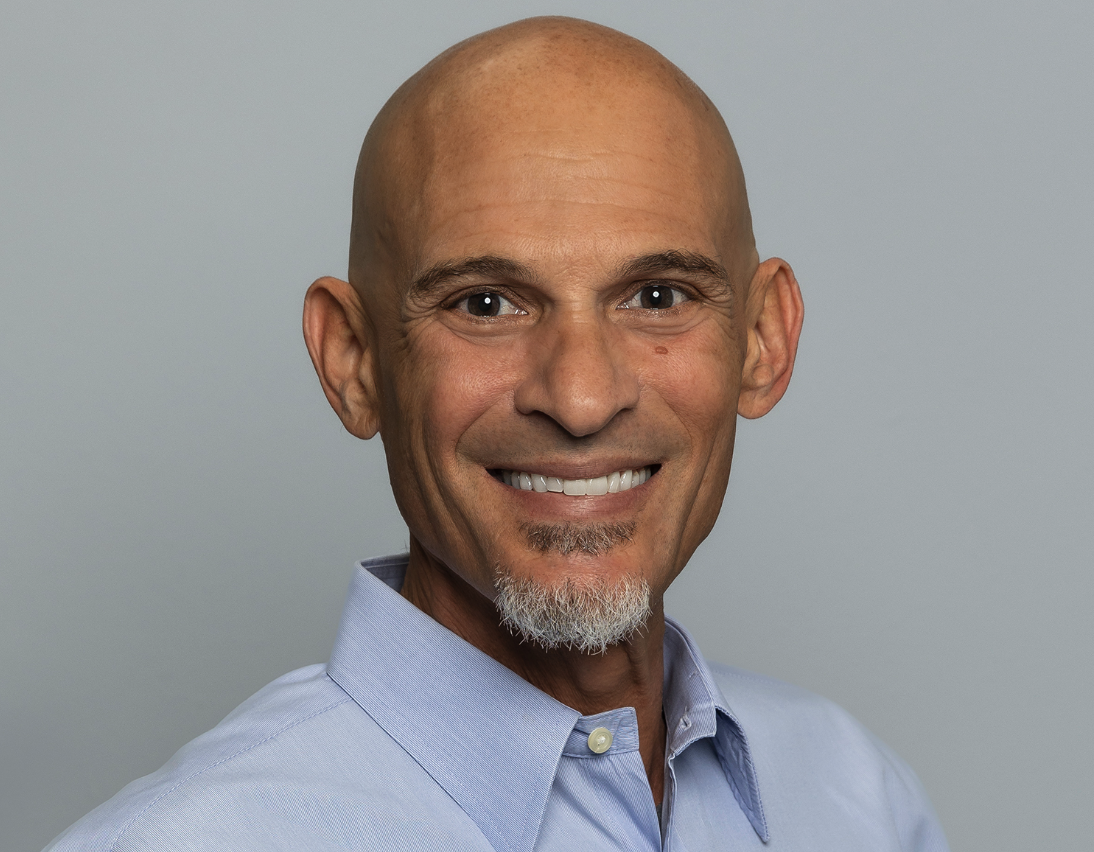
Written By
Greg Wohl
Licensed Medicare Specialist
Medicare fraud costs the federal government an estimated $60 billion or more per year. Florida is consistently one of the top three states for Medicare fraud investigations and convictions, largely due to its large senior population and history of organized healthcare fraud networks.
Scammers specifically target Medicare beneficiaries because Medicare numbers are valuable for billing fraudulent claims. Once a scammer has your Medicare number, they can bill Medicare for services you never received, leaving you with unexpected claims on your record and potentially affecting your future coverage.
This guide covers the most common Medicare scams targeting Florida seniors in 2026, the specific red flags to watch for, and exactly what to do if you are targeted.
Key Takeaways
- Medicare will never call you unsolicited to sell you a plan: Medicare does not make unsolicited phone calls, send unsolicited emails, or visit your home to sell you coverage. If someone contacts you claiming to be from Medicare and asks for your Medicare number or personal information, it is a scam.
- The genetic testing scam is one of the most active in Florida: Scammers offer free genetic testing kits at health fairs, senior centers, or by phone. They collect your Medicare number to bill Medicare for tests that were never ordered by your doctor. Medicare may deny the claim, but your number has been compromised.
- Never give your Medicare number to anyone who contacts you first: Your Medicare number is as sensitive as your Social Security number. Only share it with your doctor, hospital, pharmacy, or other providers you have chosen to work with. Never give it to someone who contacts you by phone, email, or at the door.
- Free offers that require your Medicare number are almost always scams: Legitimate Medicare benefits do not require you to give your Medicare number to a stranger to claim them. If someone offers you a free brace, testing kit, or other item in exchange for your Medicare number, decline and report it.
- Review your Medicare Summary Notice every month: Medicare sends a Medicare Summary Notice (MSN) every three months showing all claims billed to Medicare on your behalf. Review it carefully for services you did not receive. You can also check your claims at any time at MyMedicare.gov.
- Report suspected fraud to 1-800-MEDICARE or the HHS OIG hotline: If you suspect Medicare fraud, report it immediately. You can call 1-800-MEDICARE (1-800-633-4227), contact the HHS Office of Inspector General at 1-800-HHS-TIPS, or file a report at OIG.HHS.gov. Florida's SHINE program also provides free counseling on Medicare fraud.
The Most Common Medicare Scams in Florida 2026
Scammers adapt their tactics constantly, but several schemes have been particularly active in Florida in recent years.
1. The Genetic Testing Scam
This is currently one of the most widespread Medicare scams in Florida. Scammers set up booths at health fairs, senior centers, and pharmacies offering free genetic testing for cancer risk or medication compatibility. They collect your Medicare number to bill Medicare for the test. The test results are often meaningless or never delivered, but Medicare has been billed thousands of dollars using your number.
2. Unsolicited Medicare Plan Calls
During and after the Annual Enrollment Period, Florida seniors receive a high volume of unsolicited calls from people claiming to represent Medicare or a Medicare plan. They may claim your current plan is being discontinued, that you are eligible for new benefits, or that you need to verify your information. These calls are designed to collect your Medicare number or personal information.
3. Durable Medical Equipment (DME) Fraud
Scammers contact seniors offering free back braces, knee braces, or other equipment. They collect your Medicare number and bill Medicare for expensive equipment you never ordered or received. Florida has historically been a hotspot for DME fraud schemes.
4. Fake Medicare Cards and Number Changes
Scammers call claiming that Medicare is issuing new cards and that you need to provide your current Medicare number to receive your new card. Medicare does not call beneficiaries to issue new cards. If you need a replacement card, request it at SSA.gov or by calling Social Security.
5. COVID-19 and Vaccine-Related Scams
Scammers have continued to exploit health emergencies by offering free COVID-19 tests, vaccines, or treatments in exchange for your Medicare number. Legitimate COVID-19 services covered by Medicare do not require you to provide your number to a stranger.
Red Flags: How to Identify a Medicare Scam
Knowing the warning signs of a Medicare scam can help you avoid becoming a victim.
Red flags that indicate a scam:
- Someone contacts you first (by phone, email, text, or at your door) claiming to be from Medicare
- You are offered a free item, test, or service but must provide your Medicare number to receive it
- You are told your current plan is being cancelled and you must act immediately
- You are pressured to make a decision on the spot without time to review
- The caller asks for your Social Security number, bank account information, or credit card number
- You are offered cash or gifts in exchange for your Medicare number
- The caller claims Medicare has changed your benefits and you need to verify your information
- You receive a bill for a service you did not receive or do not recognize
What legitimate Medicare contacts look like: Medicare may send you mail about your coverage, benefits, or the Annual Enrollment Period. Legitimate Medicare Advantage and Part D plan representatives can contact you if you have given them permission to do so. Licensed insurance agents can discuss Medicare plans with you, but they must follow strict marketing rules and cannot pressure you or ask for your Medicare number before you have agreed to work with them.
How to Protect Your Medicare Number
Your Medicare number is a unique identifier tied to your Medicare benefits. Protecting it is as important as protecting your Social Security number.
Steps to protect your Medicare number:
- Treat your Medicare card like a credit card. Do not carry it with you unless you are going to a medical appointment.
- Only share your Medicare number with providers you have chosen: your doctor, hospital, pharmacy, or licensed insurance agent you are actively working with.
- Never give your Medicare number to someone who contacts you first, regardless of who they claim to be.
- Do not post photos of your Medicare card on social media.
- Shred any documents containing your Medicare number before discarding them.
If you think your Medicare number has been compromised: Contact Medicare immediately at 1-800-MEDICARE. You can request a new Medicare card with a new number if your current number has been used fraudulently. Also consider placing a fraud alert on your credit file with the three major credit bureaus.
How to Review Your Medicare Claims for Fraud
Regularly reviewing your Medicare claims is one of the most effective ways to catch fraud early.
Your Medicare Summary Notice (MSN): Medicare sends an MSN every three months showing all claims billed to Medicare on your behalf. Review each entry and verify that you received the service listed, the date matches your records, and the provider name is someone you actually saw.
MyMedicare.gov: You can review your claims at any time by logging into your account at MyMedicare.gov. Claims are typically posted within 24 hours of processing. Setting up a MyMedicare.gov account is free and allows you to monitor your claims in real time.
What to do if you find a suspicious claim: If you see a claim for a service you did not receive, call the provider listed on the claim first to check for billing errors. If the provider cannot explain the charge or if you believe it is fraudulent, report it to Medicare at 1-800-MEDICARE and to the HHS Office of Inspector General.
For help understanding your Medicare coverage and benefits, schedule a free consultation with our licensed specialists.
How to Report Medicare Fraud in Florida
If you suspect Medicare fraud, reporting it promptly helps protect your benefits and helps law enforcement stop scammers from targeting other seniors.
How to report Medicare fraud:
- Call 1-800-MEDICARE (1-800-633-4227): Available 24 hours a day, 7 days a week. Report suspected fraud, billing errors, or identity theft.
- HHS Office of Inspector General hotline: 1-800-HHS-TIPS (1-800-447-8477) or online at OIG.HHS.gov. The OIG investigates Medicare fraud and abuse.
- Florida SHINE Program: Serving Health Insurance Needs of Elders (SHINE) provides free, unbiased counseling on Medicare fraud and benefits. Call 1-800-963-5337 to reach a SHINE counselor.
- Florida Attorney General's Office: The Florida AG investigates healthcare fraud. File a complaint at MyFloridaLegal.com.
Whistleblower protections: If you are a healthcare provider or employee who has witnessed Medicare fraud, federal law provides whistleblower protections and potential financial rewards for reporting fraud under the False Claims Act. Contact an attorney for guidance on whistleblower claims.
For more on your Medicare rights and how to work with a legitimate Medicare specialist, see our guide on working with a Medicare insurance agent.
The Bottom Line on Medicare Scams in Florida
Florida seniors are among the most targeted groups for Medicare fraud. Protecting yourself requires vigilance and a few simple habits:
- Never share your Medicare number with anyone who contacts you first
- Hang up immediately on unsolicited calls claiming to be from Medicare
- Review your Medicare Summary Notice every quarter for claims you do not recognize
- Report suspicious activity to 1-800-MEDICARE or the HHS OIG hotline
- Use Florida's free SHINE program for unbiased guidance on Medicare fraud and benefits
- Work only with licensed agents who follow Medicare marketing rules
Our licensed specialists follow all Medicare marketing rules and never ask for your Medicare number until you have chosen to work with us. Schedule a free consultation to get trustworthy guidance on your Medicare options.
Frequently Asked Questions
Ready to Compare Medicare Plans?
Our licensed Medicare specialists will compare plans from multiple carriers at no cost to you.
Call (813) 699-5559