
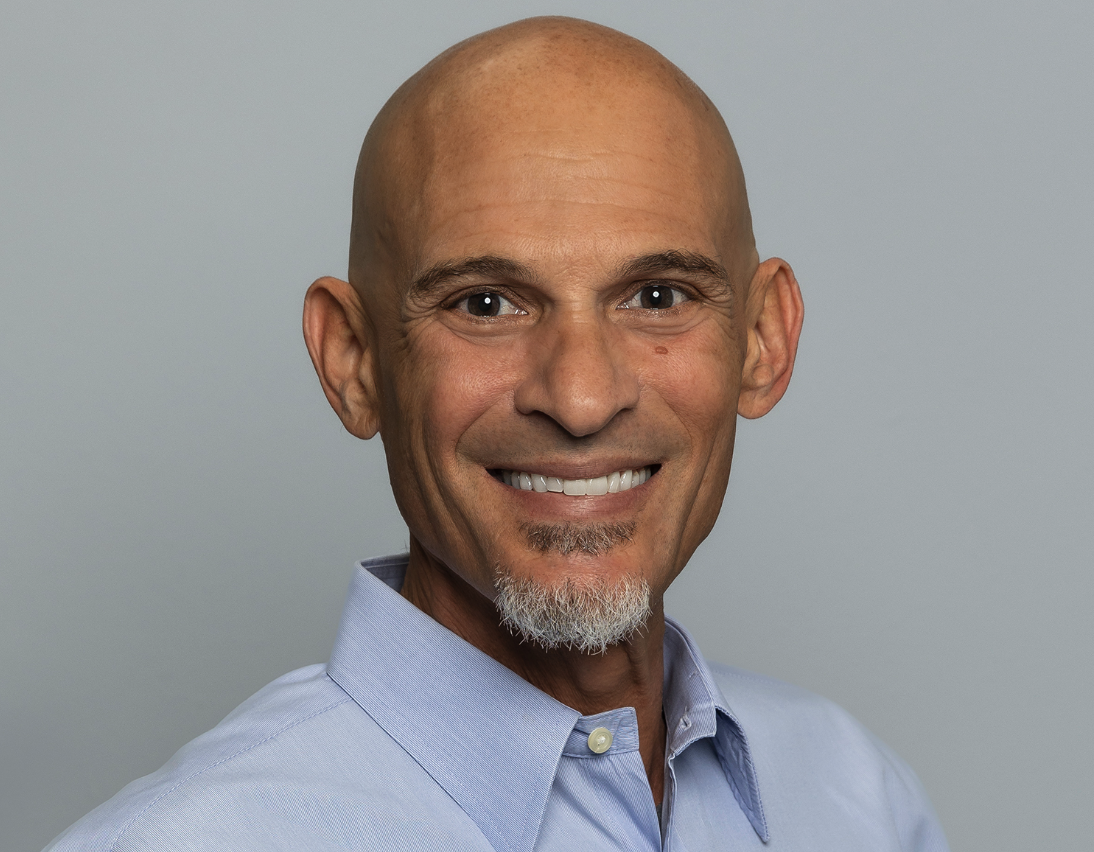
Written By
Greg Wohl
Licensed Medicare Specialist
Florida has more Medicare beneficiaries than almost any other state, and the Medicare market here reflects that. Most Florida counties have 30 or more Medicare Advantage plans available, dozens of Part D options, and multiple Medigap insurers competing for business.
More choices should mean better outcomes, but in practice, the complexity creates real problems. Beneficiaries miss enrollment windows, choose plans that do not cover their doctors, or discover mid-year that their plan has changed its network or formulary.
This guide identifies the seven most common Medicare selection challenges in Florida and provides practical steps to resolve each one.
Key Takeaways
- Enrollment timing is the most costly mistake: Missing your Initial Enrollment Period or Special Enrollment Period can result in permanent late enrollment penalties for Part B (10% per year) and Part D (1% per month). These penalties last for life.
- Network verification prevents the most common complaint: The most frequent complaint from Florida Medicare Advantage enrollees is discovering that their doctor is not in-network after enrollment. Always verify network status directly with the provider, not just the plan's online directory.
- Formulary changes happen every January: Part D formularies change annually. A drug that was covered at a low tier last year may be on a higher tier or removed from the formulary in 2026. Always review your Annual Notice of Change (ANOC) each fall.
- Snowbirds need a plan that works in two states: Florida residents who spend months in another state need a plan that provides coverage in both locations. Most HMO plans do not cover routine care outside their service area. Original Medicare with Medigap is often the best solution for snowbirds.
- Medigap underwriting is a one-time opportunity: When you first enroll in Medicare Part B at 65, you have a 6-month Medigap Open Enrollment Period during which insurers cannot deny you coverage or charge higher premiums due to health conditions. After this window closes, you may face underwriting and could be denied.
- An independent agent simplifies the process: An independent Medicare agent who represents multiple carriers can compare all available plans in your county, verify your doctors and drugs across plans, and help you avoid the most common selection mistakes at no cost to you.
Challenge 1: Missing Enrollment Windows and Facing Lifetime Penalties
The most financially damaging Medicare mistake is missing an enrollment deadline. Unlike most insurance, Medicare imposes permanent penalties for late enrollment.
Part B late enrollment penalty: If you do not enroll in Part B when first eligible and do not have qualifying employer coverage, you pay a 10% premium surcharge for every 12-month period you were eligible but not enrolled. This penalty lasts for life. At the 2026 standard premium of $202.90 per month, a 2-year delay adds approximately $40.58 per month permanently.
Part D late enrollment penalty: If you go 63 or more days without creditable drug coverage, you pay a 1% penalty on the national base beneficiary premium for every month you were without coverage. This also lasts for life.
How to avoid this: Enroll during your Initial Enrollment Period (the 7-month window around your 65th birthday). If you have employer coverage past 65, get written confirmation from your employer that it is creditable coverage and enroll in Medicare within 8 months of losing that coverage.
For a full walkthrough of enrollment timing, see our guide on how to sign up for Medicare step by step.
Challenge 2: Choosing a Plan Without Verifying Your Doctor Is In-Network
Network verification is the step most beneficiaries skip, and it is the source of the most common post-enrollment complaint.
The problem: Medicare Advantage plan provider directories are often outdated. A doctor listed as in-network in the plan's online directory may have left the network months ago. If you enroll based on the directory and your doctor is not actually in-network, you face out-of-network cost-sharing or no coverage at all (for HMO plans).
How to verify correctly: Do not rely solely on the plan's online directory. Call your doctor's billing office directly and ask: "Do you accept [Plan Name] Medicare Advantage as in-network?" Get the answer in writing if possible.
If your doctor leaves the network mid-year: You may qualify for a Special Enrollment Period to switch plans if your provider leaves the network. Contact Medicare at 1-800-MEDICARE to confirm your options.
The Medigap alternative: Original Medicare with a Medigap supplement covers any provider who accepts Medicare nationwide. If keeping your specific doctors is a priority, this structure eliminates the network problem entirely. See our guide on pros and cons of Florida Medicare Supplement plans.
Challenge 3: Formulary Changes Affecting Drug Coverage
Part D formularies change every January 1. A drug that was covered at a $10 copay last year may move to a 33% coinsurance tier in 2026, or be removed from the formulary entirely.
The Annual Notice of Change (ANOC): Every September, your plan is required to send you an ANOC that details all changes to your coverage for the coming year. Most beneficiaries do not read it. This is a mistake.
What to review in your ANOC:
- Changes to your specific drugs' tier placement
- Changes to prior authorization requirements
- Changes to quantity limits or step therapy requirements
- Premium and deductible changes
If your drug is removed or moved to a higher tier: The Annual Enrollment Period (October 15 to December 7) is your opportunity to switch to a plan that covers your drug at a better tier. Use the Medicare Plan Finder at medicare.gov to compare formularies for your specific medications.
For more on Part D costs and the $2,100 out-of-pocket cap in 2026, see our guide on the Medicare Part D out-of-pocket cap.
Challenge 4: Coverage Gaps for Snowbirds and Frequent Travelers
Florida has one of the largest snowbird populations in the country. Beneficiaries who spend 3 to 6 months in a northern state face a coverage challenge that most Medicare plans are not designed to address.
The HMO problem: Most Medicare Advantage HMO plans only cover routine care within their local service area. If you are in Ohio for the summer and need a routine doctor visit, your Florida HMO plan will not cover it. You pay out of pocket.
PPO plans are better but not perfect: Medicare Advantage PPO plans cover out-of-network care, but at higher cost-sharing. You may pay 40-50% coinsurance for out-of-network providers.
The best solution for most snowbirds: Original Medicare with a Medigap supplement covers any provider who accepts Medicare, anywhere in the country. There are no network restrictions and no out-of-area limitations. For snowbirds who split time roughly equally between two states, this is typically the most cost-effective structure.
For a full analysis of snowbird coverage options, see our guide on best Medicare plans for snowbirds in Florida.
Challenge 5: Missing the Medigap Open Enrollment Window
Medigap (Medicare Supplement) insurance has a critical enrollment window that most beneficiaries do not know about until it is too late.
The Medigap Open Enrollment Period: When you first enroll in Medicare Part B at age 65, you have a 6-month window during which Medigap insurers must sell you any plan they offer at standard rates, regardless of your health history. They cannot deny you coverage or charge higher premiums due to pre-existing conditions.
After the window closes: In Florida, Medigap insurers can use medical underwriting outside of Open Enrollment. This means they can deny your application or charge significantly higher premiums based on your health conditions. Common conditions that trigger higher rates or denials include diabetes, heart disease, COPD, and cancer history.
The mistake: Many beneficiaries enroll in Medicare Advantage at 65 because of the $0 premium and extra benefits. When they later want to switch back to Original Medicare with Medigap, they find they cannot get Medigap coverage at standard rates.
The solution: Carefully evaluate Medigap vs. Medicare Advantage at 65 when your Medigap Open Enrollment Period is active. If you are in good health and want the flexibility of Original Medicare long-term, enrolling in Medigap during this window protects your future options.
Challenge 6: IRMAA Surprises from Income Changes
Higher-income beneficiaries pay more for Medicare Part B and Part D through Income-Related Monthly Adjustment Amounts (IRMAA). Many beneficiaries are caught off guard by IRMAA when their income changes.
How IRMAA works: Medicare uses your tax return from 2 years ago to determine your IRMAA surcharge. If your income was high in 2024 (the lookback year for 2026 IRMAA), you will pay IRMAA surcharges in 2026 even if your income has since dropped.
Common triggers: Roth conversions, selling a business, large capital gains, or a one-time distribution from a retirement account can push you into an IRMAA bracket for one or two years.
How to appeal: If your income has decreased due to a life-changing event (retirement, divorce, death of spouse, reduction in work hours), you can appeal your IRMAA using SSA Form SSA-44. Medicare will use your more recent income to recalculate your surcharge.
For a full guide to managing IRMAA, see our article on how to reduce Medicare premiums based on income.
The Bottom Line on Medicare Selection Challenges in Florida
Most Medicare selection mistakes in Florida are preventable with the right information and timing. Here is the key guidance:
- Enroll on time to avoid permanent Part B and Part D late enrollment penalties
- Verify your doctors directly with their billing office, not just the plan's online directory
- Read your ANOC every September to catch formulary and cost-sharing changes before the AEP
- Snowbirds should consider Original Medicare plus Medigap for nationwide coverage without network restrictions
- Use your Medigap Open Enrollment Period at 65 before health conditions limit your options
- Appeal IRMAA if your income has dropped due to a qualifying life event
Our licensed independent specialists help Florida beneficiaries navigate all of these challenges at no cost. Schedule a free consultation to get personalized guidance.
Frequently Asked Questions
Ready to Compare Medicare Plans?
Our licensed Medicare specialists will compare plans from multiple carriers at no cost to you.
Call (813) 699-5559